
History of Kuwait
Dilmun & Maritime Legacy
Kuwait's history stretches back over 5,000 years to the ancient Dilmun civilization. Strategically positioned on the Arabian Gulf, the region served as a vital trading hub connecting Mesopotamia, the Indus Valley, and beyond. Archaeological sites at Failaka Island reveal Greek temples, bronze-age settlements, and evidence of a thriving maritime culture that laid the foundations for Kuwait's enduring connection to the sea.
Rise of a Nation
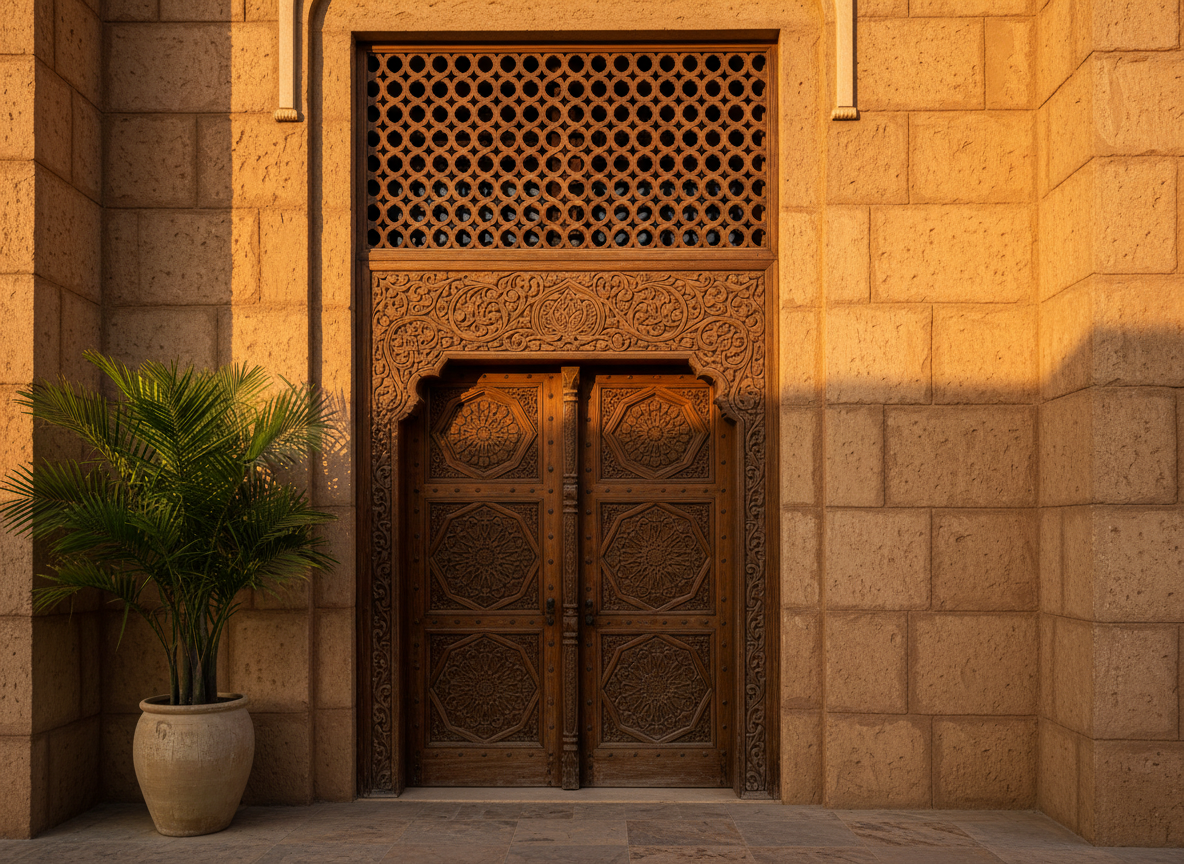
In the early 17th century, the Bani Utbah tribal confederation established Kuwait City, transforming it into one of the Gulf's most important ports. The Al-Sabah dynasty, Kuwait's ruling family since 1752, guided the nation through periods of prosperity built on pearling, boat-building, and maritime trade. Kuwait became renowned for its skilled sailors, its massive dhow fleets, and the legendary pearling industry that made it the jewel of the Gulf.
Transformation & Wealth
The discovery of oil at the Burgan field in 1938 — one of the world's largest — fundamentally transformed Kuwait. Independence in 1961 ushered in an era of rapid modernization. The nation invested heavily in education, healthcare, infrastructure, and culture, creating a welfare state that became the envy of the region. Kuwait's Parliament, established in 1963, made it one of the most progressive democracies in the Arab world.
Resilience & Vision
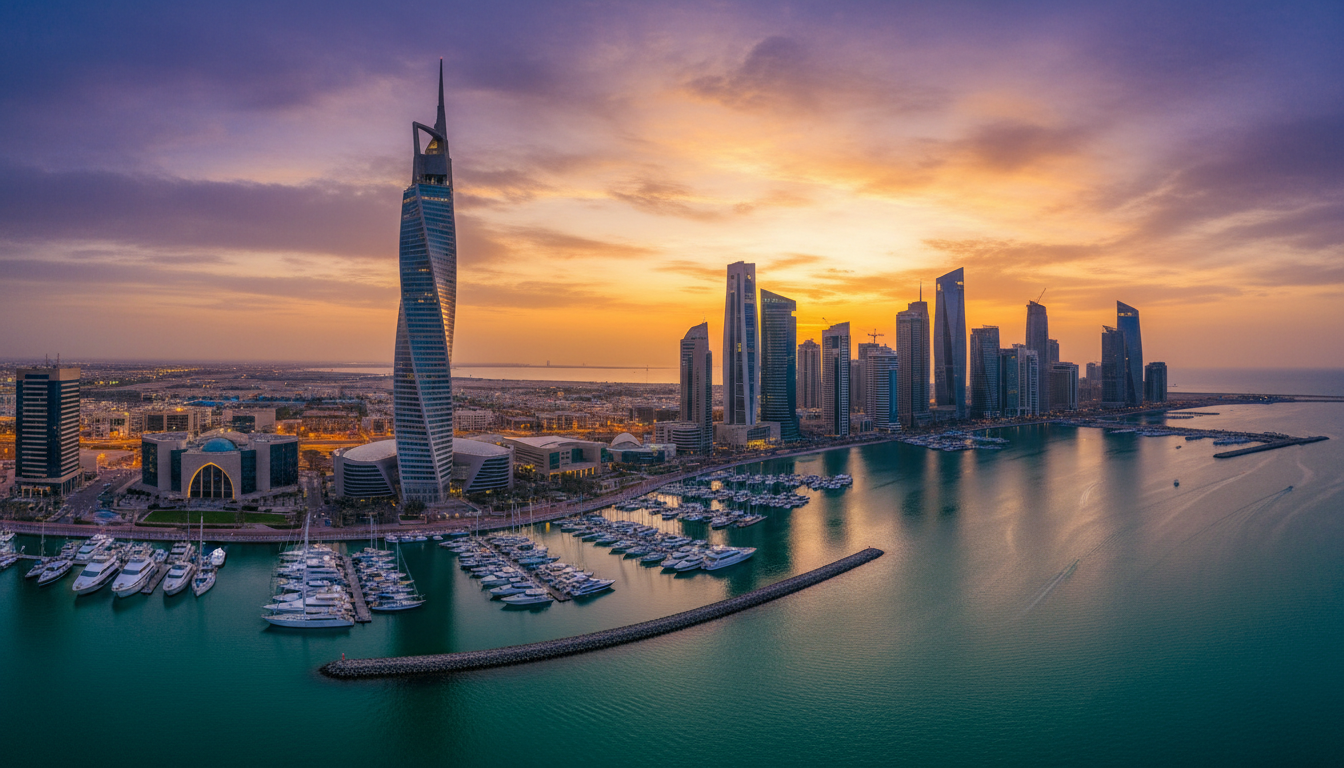
Following liberation in 1991, Kuwait emerged stronger and more determined. Today, Kuwait 2035 — the 'New Kuwait' vision — charts a bold course toward economic diversification, cultural enrichment, and sustainable development. From the iconic Kuwait Towers to the avant-garde Sheikh Jaber Al-Ahmad Cultural Centre, the nation honors its heritage while building a future of extraordinary promise. Kuwait stands as a beacon of resilience, wisdom, and Gulf hospitality.